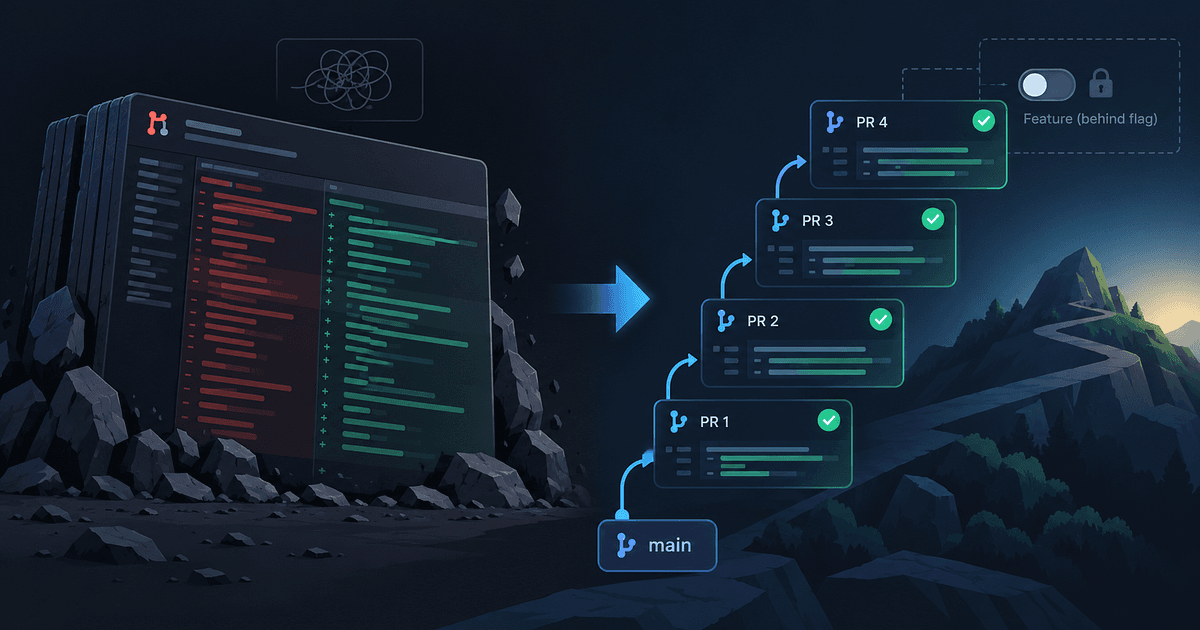
In today’s software development landscape, managing continuous integration and continuous delivery (CI/CD) pipelines has become a critical task for software architects. With the increasing adoption of microservices, cloud platforms, and agile methodologies, the complexity of maintaining these pipelines across multiple environments has also grown. As someone deeply involved in the architecture space at White Prompt, I want to share some insights and strategies that can help streamline this process, drawing from my experiences working with AWS CodePipeline and GitHub Actions.
The Challenge of Modern CI/CD Pipelines
Let’s face it — CI/CD pipelines are the backbone of modern software delivery. They ensure that code changes are automatically tested, integrated, and deployed across various environments. However, as projects grow and environments multiply, so do the challenges. Managing different database schemas, keeping track of dependencies, and ensuring that all teams are on the same page are just a few of the hurdles we face daily.
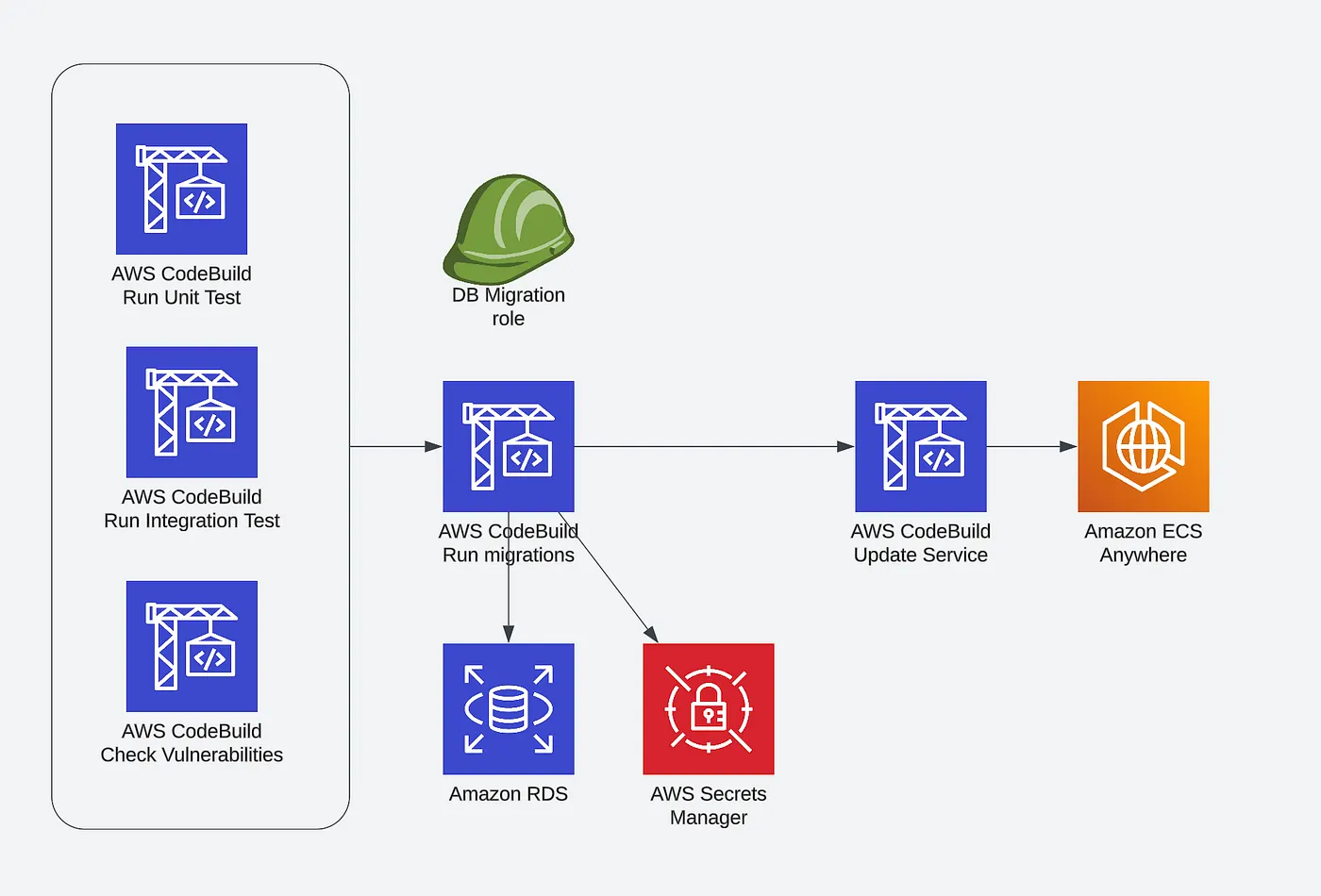
One of the biggest challenges is ensuring that every environment — from development to production — remains in sync, particularly when dealing with complex database migrations and integration tests. These processes can quickly become time-consuming and error-prone, especially if not automated efficiently.
Implementing Robust Pipelines with AWS and GitHub Actions
At White Prompt, we’ve tackled these challenges head-on by leveraging AWS CodePipeline and GitHub Actions. Both tools offer powerful capabilities for automating and managing CI/CD processes, but their real strength lies in how they can be configured to handle specific tasks like integration testing and database migrations.
Integration Testing: A Crucial Step
Integration testing is a critical component of any CI/CD pipeline, ensuring that different parts of your application work together as expected. However, running these tests can be slow, particularly if they rely on a fully-fledged database. To speed up this process, we’ve adopted strategies such as parallelism — running multiple tests simultaneously — and caching dependencies to avoid redundant downloads.
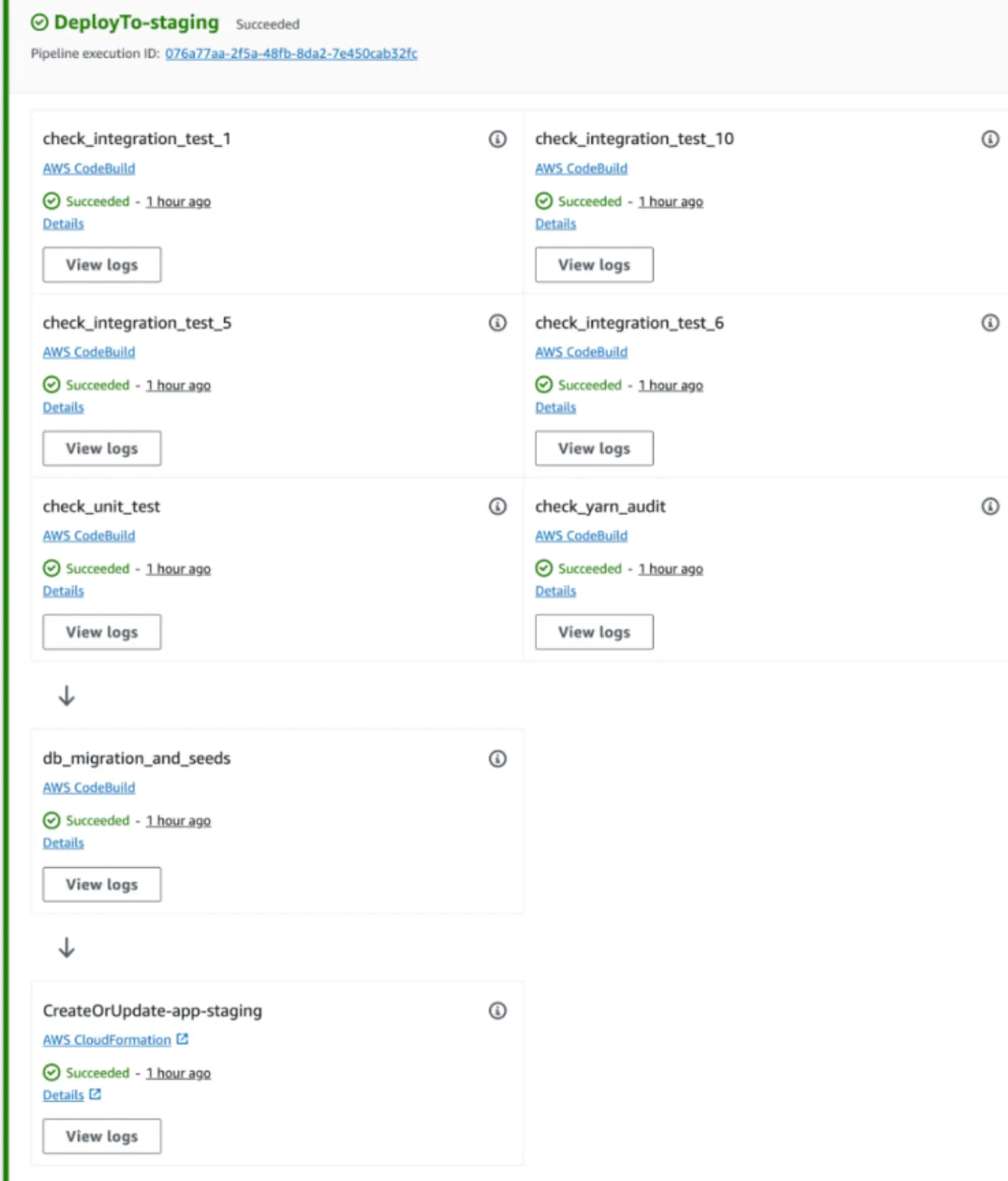
Run test splited in shardsjest --shard=1/10 --runInBand --ci --coverage
For instance, in our pipelines, we use Docker to create isolated test databases that mimic the production environment. This setup allows us to run integration tests quickly and reliably, ensuring that any issues are caught early in the deployment process.
Database Migrations: Keeping Environments in Sync
Database migrations are another area where pipelines can either shine or falter. In a multi-environment setup, it’s crucial to manage different database schemas effectively. We’ve found that automating these migrations through our pipelines, whether using AWS CodePipeline or GitHub Actions, significantly reduces the risk of discrepancies between environments.
For example, we define our migrations in a build spec file in AWS CodePipeline, which is responsible for applying the necessary changes to the database schema before deploying the application. By doing so, we ensure that every environment is up-to-date with the latest schema changes, reducing the likelihood of runtime errors.
Overcoming Common Pitfalls
Despite these tools and techniques, challenges still arise. Outdated dependencies, for example, can cause unexpected failures during deployment. To combat this, we’ve integrated dependency checks into our pipelines, alerting us to any vulnerabilities or outdated packages before they cause problems.
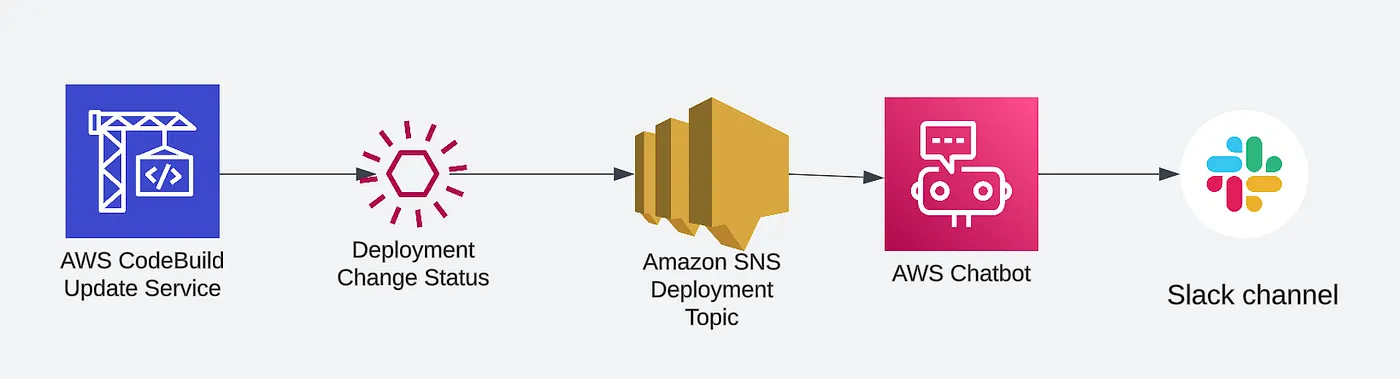
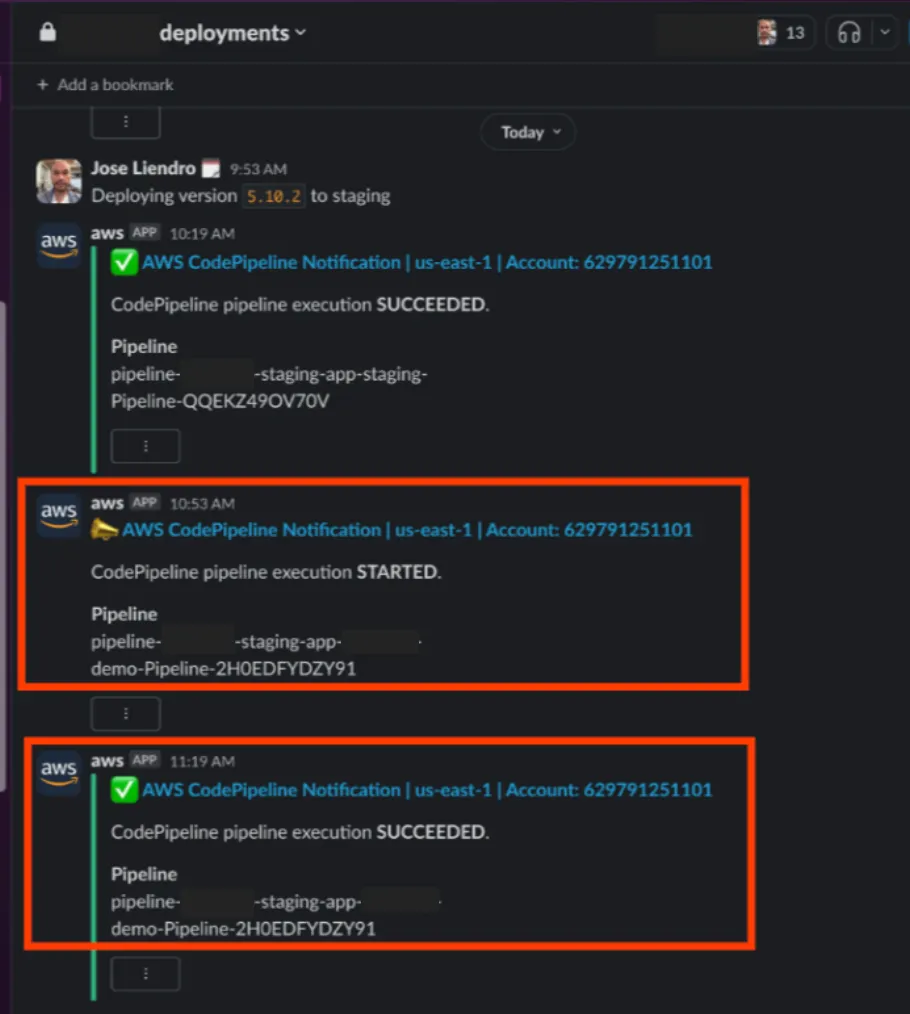
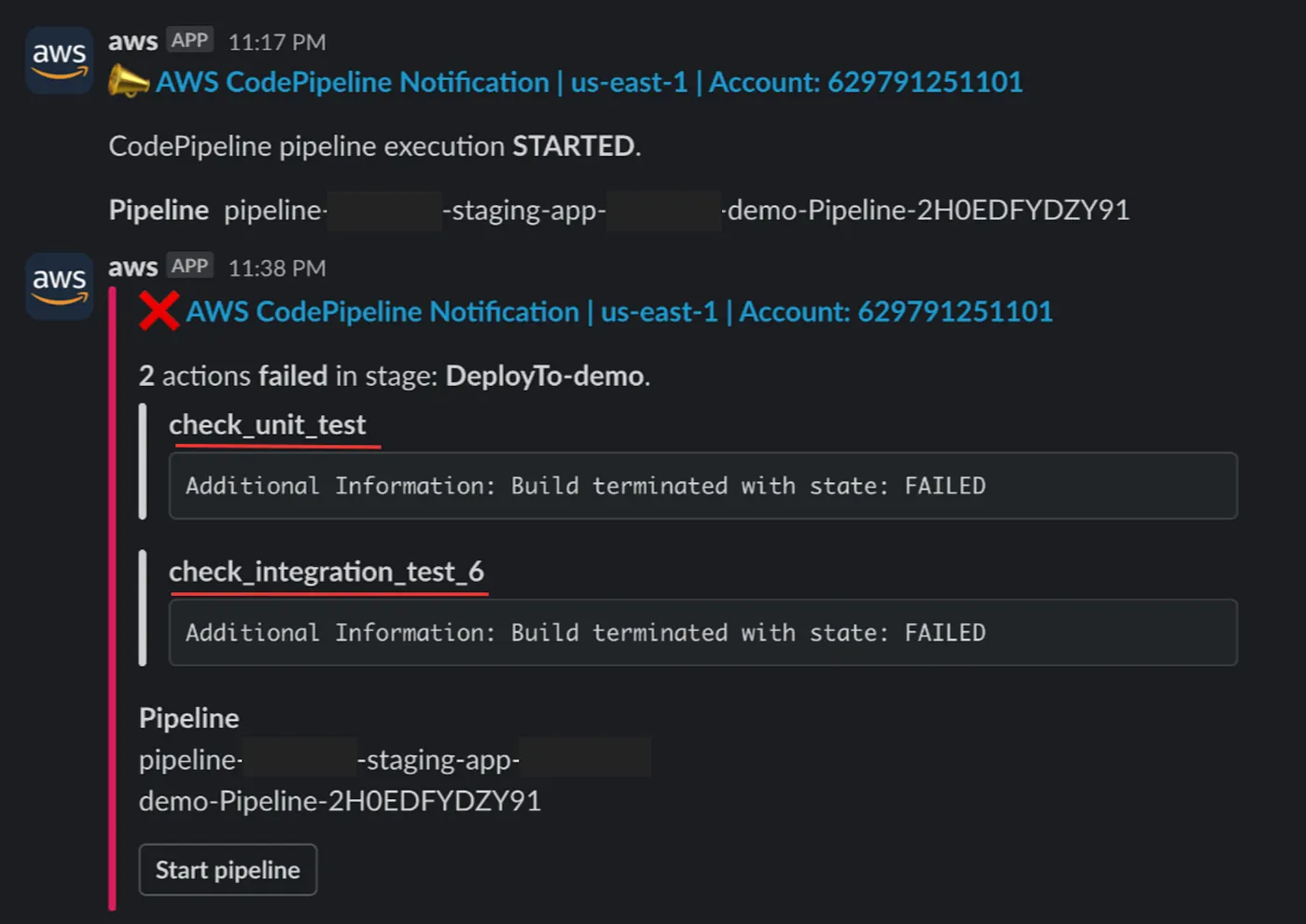
Another common issue is communication — ensuring that all team members are aware of what’s been deployed and where. We’ve addressed this by integrating our pipelines with Slack, automatically sending notifications when a new deployment occurs or if something goes wrong. This simple step has greatly improved our team’s ability to respond quickly to issues.
Conclusion: Streamlining Your CI/CD Processes
The strategies and tools discussed here have significantly improved our CI/CD processes at White Prompt, allowing us to deliver high-quality code faster and with fewer errors. By automating key tasks like integration testing and database migrations, and by fostering better communication through tools like Slack, we’ve been able to navigate the complexity of modern CI/CD pipelines more effectively.
If you’re facing similar challenges, I encourage you to evaluate your current pipelines and consider implementing some of these practices. The initial investment in time and resources will pay off in the long run, making your deployment processes smoother and more reliable.